Enhancing Your Minecraft Experience with Resource Packs and Digital Security Essentials
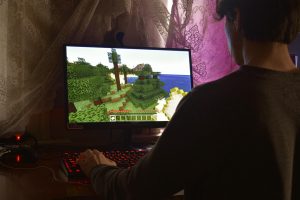
Photo by Alexander Kovalev, Pexels
Minecraft has long been a canvas for creativity—a game where every block and texture holds the promise of a unique world. Among the many ways players personalize their experience, resource packs stand out as an effective means to transform the game’s aesthetic and performance. At the same time, with increasing online participation in multiplayer servers and community forums, digital security has become as essential as creative ingenuity. This dual focus on creativity and security shapes a modern gaming landscape where customization and safe connectivity go hand in hand.
The Evolution of Minecraft Resource Packs
From the early days of basic texture changes to today’s high-definition masterpieces, Minecraft resource packs have evolved immensely. Initially created to simply refresh game visuals, resource packs now cater to a wide range of gameplay aspects—from immersive environments that draw inspiration from real-world art to highly specialized PvP packs designed to give competitive players a performance edge. This evolution is driven by both technological advancements and the passion of a global community that continuously pushes the boundaries of what is possible within this virtual world.
More than just a cosmetic upgrade, resource packs often refine the game’s functionality. For instance, a well-designed pack will not only enhance the graphics but also optimize the textures for smoother performance during intense PvP battles. Guided by well-crafted tutorials and community insights, many players experiment with different packs to match their hardware capabilities and gameplay requirements. Readers interested in the deeper technical aspects can explore comprehensive guides on this topic on Minecraft resource packs, which also detail compatibility issues and installation tips.
Integrating Customization with Modern Cybersecurity
While creative customization remains at the core of the Minecraft experience, the digital environment in which players operate is evolving. As online communities expand and multiplayer sessions become longer and more interconnected, the need for secure online practices has never been greater. In this context, gamers are increasingly aware of cybersecurity threats that extend beyond the game itself—from potential data breaches to identity theft during online sessions.
Some players are now taking proactive steps to safeguard their online connections. For example, adopting secure measures such as using a bestes VPN is becoming a smart strategy. By ensuring that personal data and online activity remain protected, players can enjoy an uninterrupted gaming experience even when participating in international servers or competitive online arenas. This approach not only helps maintain the integrity of the gaming environment but also instills greater confidence in users when sharing in-game strategies and personal information through community forums.
As customization and security converge, many gamers discover that robust digital privacy practices have direct benefits for overall gameplay. A secure connection reduces latency risks associated with various cyber threats, while innovative resource packs improve visual clarity. Together, these elements contribute to a refined experience that allows gamers to fully immerse themselves in their crafted worlds without concern for external disruptions or vulnerabilities.
Valuable Insights from Cybersecurity Research
Recent studies have underscored the critical importance of cybersecurity in all areas of online activity, including gaming. One prominent analysis highlights that the average data breach now costs nearly USD 4.88 million, a statistic that emphasizes the economic and operational risks associated with insufficient digital security. For further details on breach costs and underlying security challenges, detailed breach analysis provided by industry research offers a wealth of data to consider through this analysis.
Cybersecurity is not only about responding to threats but also anticipating them. Additional research indicates that a significant percentage of internet users are concerned about inadequate privacy laws, spurring greater interest in tools designed to protect online identities. Such findings, drawn from independent surveys and studies, resonate with gamers who are increasingly investing in secure online tools. An overview on online anonymity and privacy, available via this resource, reveals that these concerns are widespread and are driving the swift adoption of digital privacy measures.
This research serves as a reminder that whether through advanced gaming modifications or robust online security practices, the modern Minecraft player is never far from the realities of an interconnected world. As threats evolve, so too must the strategies for ensuring safety, and players who combine creative resource packs with reliable cybersecurity innovations are best positioned to face future challenges with confidence.
Community Trends and Future Innovations
The community aspect of Minecraft continues to be its driving force. Resource packs are more than just visuals—they foster collaboration, spur technical ingenuity, and even inspire entirely new forms of gameplay. Community forums and social media channels brim with users showcasing their custom packs, sharing tips on performance optimization, and debating the merits of various technical tweaks. This dynamic exchange of ideas not only refines the art of resource pack creation but also encourages the development of robust tools that support secure digital interaction among players.
With the ongoing evolution in both gaming aesthetics and cybersecurity, industry innovators are likely to lean further into combining these areas. For instance, future resource packs might integrate security-focused features that alert players to potential vulnerabilities or recommend real-time performance enhancements during lag spikes. In parallel, companies that specialize in digital privacy are constantly updating their offerings to meet the demands of tech-savvy communities. Modern tools ensure not just a visual upgrade but also provide the security foundations necessary for smooth, uninterrupted gameplay.
Internal community resources play an integral role in this evolution. Detailed guides on installation, troubleshooting, and advanced modifications are available on several websites, one of which can be explored at Secret Rooms Guide. This diversity of content enables players to seamlessly adopt new technologies while remaining engaged with the collective knowledge base that defines the Minecraft community.
Striking the Balance: Creativity and Security
The journey of enhancing a Minecraft experience is as much about imaginative creativity as it is about establishing secure online practices. Gamers are now expected to adapt not only to changing aesthetic standards but also to an evolving digital landscape replete with cybersecurity challenges. Achieving the right balance requires a practical approach that values both artistic expression through resource packs and the need for robust online security. Enthusiasts can do this by staying informed about the latest trends in digital privacy, which in turn informs their decisions when customizing game settings or connecting to multiplayer servers.
For example, a resource pack that dramatically improves visual elements can be rendered ineffective if the underlying connection is compromised by malware or data breaches. As such, enhancing gameplay should encompass not only a focus on creative output but also the adoption of security measures that safeguard every online interaction. By merging these two spheres, gamers establish a baseline for an overall safer and more enriching experience.
Moreover, the increased focus on cybersecurity has motivated developers to integrate more secure distribution methods for resource packs. This ensures that players receive authentic and tested modifications that are free from tampering. Such initiatives foster trust within the community and create an environment where innovation and safety progress alongside one another.
Looking Ahead: A Secure and Customized Future
As Minecraft continues to evolve, so do the priorities of its dedicated community. The expanding frontier of gaming aesthetics, enhanced by meticulously crafted resource packs, now intersects with the world of digital security—a trend showcasing players’ growing awareness of online privacy risks. With the advent of innovative technologies, future updates may well incorporate tools that allow players to tweak not only visual elements but also the security settings of their gameplay environments.
Looking ahead, it is clear that the community’s appetite for high-performance, customizable, and secure gaming experiences will continue to drive market innovations. Players are increasingly turning to trusted resources and digital privacy services to ensure that every aspect from customization to online connectivity is optimized for success. This fusion of artistic and technical interests promises an exciting era where creativity meets cutting-edge security practices.
Embracing future trends means turning a critical eye toward both the latest resource packs and the evolving cybersecurity landscape. This balanced approach not only fosters long-term engagement but also equips players with reliable tools to navigate the challenges of a highly interconnected digital world.
Conclusion
The multifaceted journey of enhancing Minecraft gameplay is marked by continuous evolution in both resource pack development and digital cybersecurity. Through innovative modifications that breathe new life into the game and by adopting secure online practices, players secure an immersive and safe gaming environment. As the community moves forward, the combination of creative expression and responsible cybersecurity practices will remain pivotal to ensuring that every Minecraft session is both visually stunning and digitally secure.
Readers are encouraged to share their experiences and insights on how combining these elements has enhanced their gameplay. Whether experimenting with new texture packs or upgrading security measures, every step toward customization and safety contributes to a more robust and connected community. Let this ongoing evolution serve as an invitation to explore the endless possibilities that lie at the intersection of creativity and security in the Minecraft realm.
Palia oder Minecraft? Welches Spiel hat die schönere Open World?
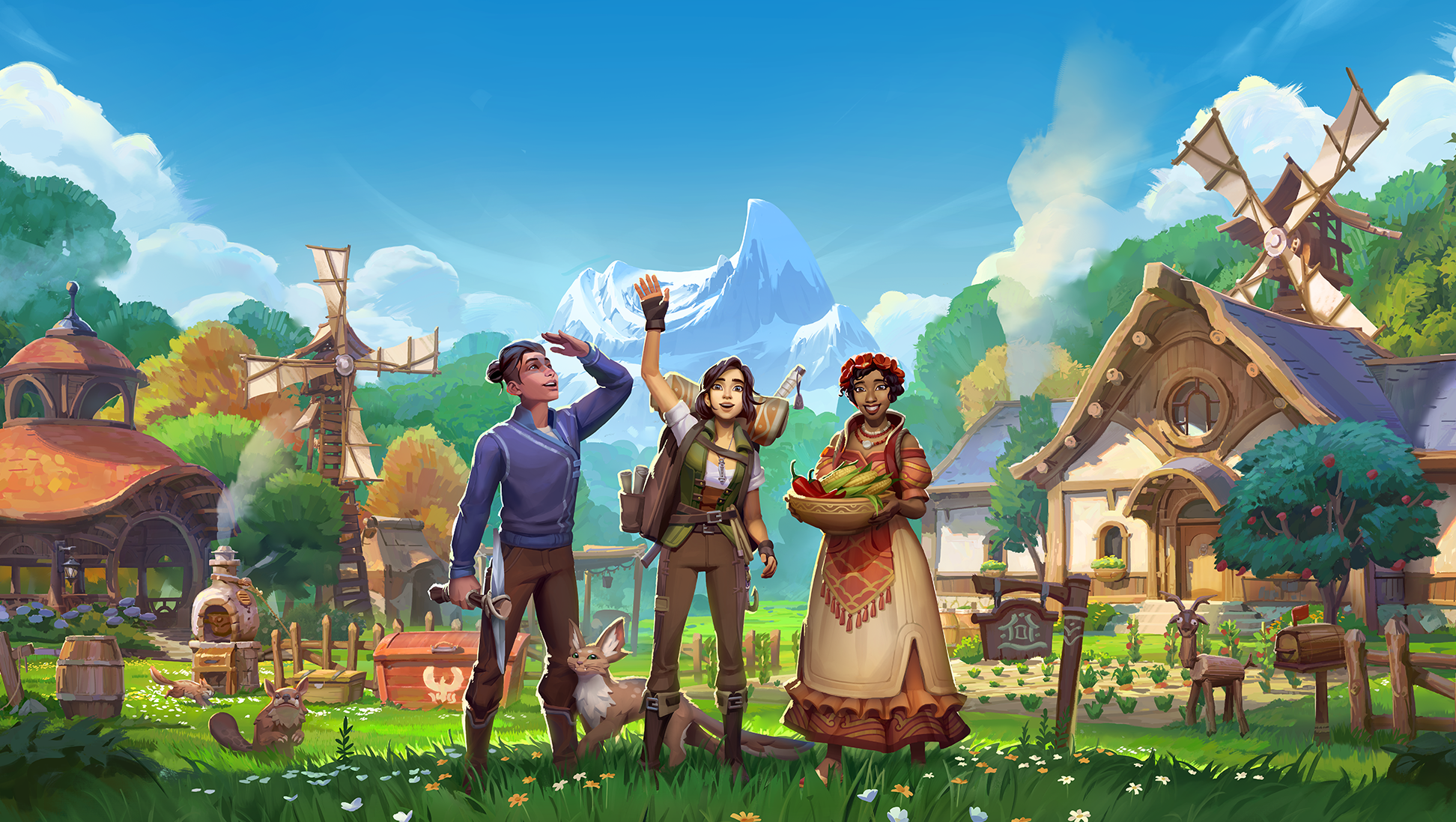
Open-World-Spiele leben von ihrer Atmosphäre. Von dem Gefühl, einfach loszuziehen, die Welt zu erkunden und sich in ihr zu verlieren. Zwei Spiele, die auf den ersten Blick kaum unterschiedlicher sein könnten, sind Palia und Minecraft. Beide setzen auf eine offene Welt, beide laden zum Erkunden, Sammeln und Bauen ein – und doch verfolgen sie einen komplett anderen Stil. Aber welches Spiel hat nun die schönere Open World? Genau das schauen wir uns hier genauer an.
Palia: Eine märchenhafte Welt voller Details
Palia setzt ganz klar auf eine stilisierte, aber dennoch sehr harmonische und „realistisch“ wirkende Fantasy-Welt. Schon nach den ersten Minuten merkt man: Hier wurde viel Wert auf Atmosphäre gelegt. Die Landschaften wirken weich, farbenfroh und fast schon wie aus einem animierten Film. Sanfte Hügel, dichte Wälder, glitzernde Seen und liebevoll gestaltete Dörfer sorgen dafür, dass man immer wieder stehen bleibt und einfach nur die Umgebung genießt.
Die Welt fühlt sich lebendig an. NPCs haben Routinen, reagieren auf den Spieler und erzählen kleine Geschichten. Dadurch wirkt die Umgebung nicht leer, sondern wie ein Ort, an dem tatsächlich jemand lebt. Wenn man durch Bahari Bay streift oder am Abend durch Kilima Village läuft, entsteht schnell ein gemütliches „Cozy Game“-Gefühl.
Besonders stark ist Palia bei den kleinen Details. Licht- und Schatteneffekte, Sonnenuntergänge, die sich im Wasser spiegeln, oder Nebel, der morgens über den Feldern hängt – das alles trägt enorm zur Atmosphäre bei. Wer also eine optisch moderne, detailreiche Welt sucht, wird hier definitiv glücklich.
Minecraft: Die Freiheit der eigenen Fantasie
Und dann ist da Minecraft. Auf den ersten Blick wirkt die Welt durch die Blockgrafik simpel – fast schon minimalistisch. Keine hochauflösenden Texturen, keine komplexen Animationen. Aber genau hier liegt die Stärke.
Minecrafts Open World ist riesig, prozedural generiert und praktisch grenzenlos. Jeder neue Seed erzeugt eine komplett andere Welt mit unterschiedlichen Biomen, Landschaftsformen und Strukturen. Von schneebedeckten Bergen über dichte Dschungel bis hin zu endlosen Wüsten – alles entsteht aus simplen Blöcken, und trotzdem wirkt die Welt überraschend abwechslungsreich.
Die „Schönheit“ von Minecraft ist weniger eine Frage der Grafik, sondern der Möglichkeiten. Spieler erschaffen gigantische Städte, realistische Landschaften oder sogar ganze Fantasy-Reiche. Mit Shader-Mods kann man die Optik zusätzlich massiv aufwerten – plötzlich gibt es realistische Wasserreflexionen, dynamische Schatten und beeindruckende Lichteffekte. Wer Minecraft mit guten Shadern spielt, erkennt das Spiel teilweise kaum wieder.
Die Welt lebt außerdem durch ihre Dynamik. Tag- und Nachtwechsel, Wettereffekte, Monster, die nachts erscheinen – all das sorgt für ein ständiges Gefühl von Abenteuer.
Atmosphäre vs. Kreativität
Wenn man beide Spiele direkt vergleicht, merkt man schnell: Es kommt stark darauf an, was man unter „schöner Open World“ versteht.
Palia punktet mit einer klaren künstlerischen Vision. Alles wirkt aus einem Guss, farblich abgestimmt und harmonisch. Die Welt ist so gestaltet, dass sie direkt ästhetisch anspricht. Man kann durch Wälder streifen, Felder bestellen oder am See sitzen und Tiere wie den Kaiserfisch angeln – und das alles in einer Umgebung, die fast schon wie ein interaktiver Fantasy-Film wirkt.
Minecraft hingegen ist eine Leinwand. Die Welt ist nicht im klassischen Sinne „vorgegeben schön“, sondern wird es durch den Spieler. Klar, es gibt beeindruckende natürliche Landschaften – etwa zerklüftete Höhlen oder riesige Bergketten seit den neueren Updates – aber das eigentliche Highlight ist, was man selbst daraus macht.
Technische Unterschiede
Auch technisch gehen die Spiele unterschiedliche Wege. Palia nutzt moderne Grafik-Engines mit ausgearbeiteten Texturen, weichen Animationen und detaillierten Modellen. Es wirkt dadurch aktueller und visuell aufwendiger.
Minecraft setzt auf eine bewusst reduzierte Ästhetik. Die Blockoptik ist längst Kult und Teil der Identität des Spiels. Trotz (oder gerade wegen) dieser Simplizität läuft das Spiel auf vielen Systemen stabil und bietet enorme Performance-Freiheit.
Interessant ist außerdem, dass Minecraft durch Mods optisch fast schon mit modernen Spielen konkurrieren kann. Mit hochauflösenden Texture Packs und Raytracing entsteht eine ganz neue visuelle Qualität.
Welche Open World ist nun schöner?
Die ehrliche Antwort: Es kommt darauf an, was du suchst.
Wenn du eine fertig designte, atmosphärische und optisch stimmige Welt erleben willst, die dich mit Details und Charme einfängt, dann hat Palia klar die Nase vorn. Die Welt wirkt lebendig, liebevoll gestaltet und lädt zum entspannten Erkunden ein.
Wenn du hingegen Freiheit, gigantische Ausmaße und die Möglichkeit willst, deine eigene Vorstellung von „schön“ umzusetzen, dann ist Minecraft kaum zu schlagen. Hier entsteht Schönheit nicht nur durch das, was das Spiel vorgibt, sondern durch das, was du daraus machst.
The best gaming servers for your gaming experience: What you need to know
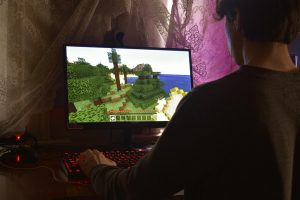
Today’s gaming experience is largely determined by the quality of the servers we play on. Whether you’re roaming through virtual worlds with friends or competing in epic battles, choosing the right server can mean the difference between victory and defeat.
In an age where online gaming has become the norm, gamers are faced with the challenge of choosing the right server from the multitude of available options. This isn’t just about price, but also about performance, stability, and the ability to customize the gaming experience.
What makes a good gaming server?
A high-quality gaming server is characterized by several crucial factors that go beyond mere hosting. Performance is paramount – low latency and a stable connection are the foundation for smooth gameplay.
Server location and ping times: The server’s geographical proximity to your location directly influences response times. German server locations often offer the best connections for European players.
Hardware also plays a key role. Modern NVMe SSDs ensure fast loading times, while powerful CPUs ensure stable performance even under heavy gaming loads. Scalability is another important aspect—your server should be able to grow with your needs.
Performance factors in detail
The technical specifications of a gaming server determine the quality of your gaming experience. RAM, processor performance, and network connectivity must be perfectly coordinated to achieve optimal results.
Bandwidth is particularly important—it determines how many players can be active on your server simultaneously without performance suffering. A well-configured server with sufficient bandwidth can handle hundreds of players simultaneously.
Popular gaming server types and their special features
The world of gaming servers is diverse and offers the right solution for every taste and playstyle. From classic sandbox experiences to complex multiplayer worlds – each server type has its own requirements and capabilities.
Sandbox gaming: Games like Minecraft require servers with plenty of storage space and flexible configuration options. If you want to rent a Minecraft server , you should look for unlimited slots and modpack support.
For role-playing enthusiasts, specialized servers offer complex mod support and extensive customization options. These servers allow you to create and manage entire virtual societies.
Modern multiplayer worlds
The development of gaming servers has made enormous progress in recent years. Modern server technologies make it possible to create complex game worlds that can host hundreds of players simultaneously.
Server stability is crucial, especially for role-playing games. When configuring your fivem server , for example, you need not only technical expertise but also a reliable provider that offers 24/7 support.
Server administration: More than just technology
Managing a gaming server goes far beyond the technical aspects. Successful server operators understand that community management and technical expertise must go hand in hand.
Ease of use: Modern server panels make administration accessible even for non-technical users. An intuitive web interface allows you to change settings, create backups, and perform updates without using complex command lines.
Automating recurring tasks not only saves time but also reduces error rates. Automatic backups, update mechanisms, and monitoring tools ensure your server runs smoothly even in your absence.
Security and data protection
In today’s digital landscape, security isn’t an optional extra, but a basic requirement. DDoS protection, regular security updates, and encrypted connections are standard features that every reputable provider should offer.
Data security for your save games and configurations is especially important. Regular backups and redundant storage systems protect against data loss and allow you to get back online quickly after issues arise.
Understanding cost structures and pricing models
Pricing for gaming servers varies greatly depending on the provider and the scope of services. While some providers charge by the slot, others offer flat-rate models or flexible scaling options.
Hidden costs can quickly blow your budget. Be aware of additional charges for backups, support, or special features. A transparent pricing model with no hidden fees is a sign of a reputable provider.
Long-term planning perspectives
When choosing a server, you should not only consider current needs but also plan for future developments. A server that’s sufficient for 10 players today might be too small tomorrow as your community grows.
Scalable solutions allow resources to be adjusted as needed. This flexibility is especially important for growing communities or seasonal fluctuations in player activity.
Choosing the right gaming server is an investment in your gaming experience. Quality, performance, and support are more important than price alone. With the right choice, you’ll lay the foundation for unforgettable gaming moments with your friends.
Historical And Artistic Inspirations In Minecraft
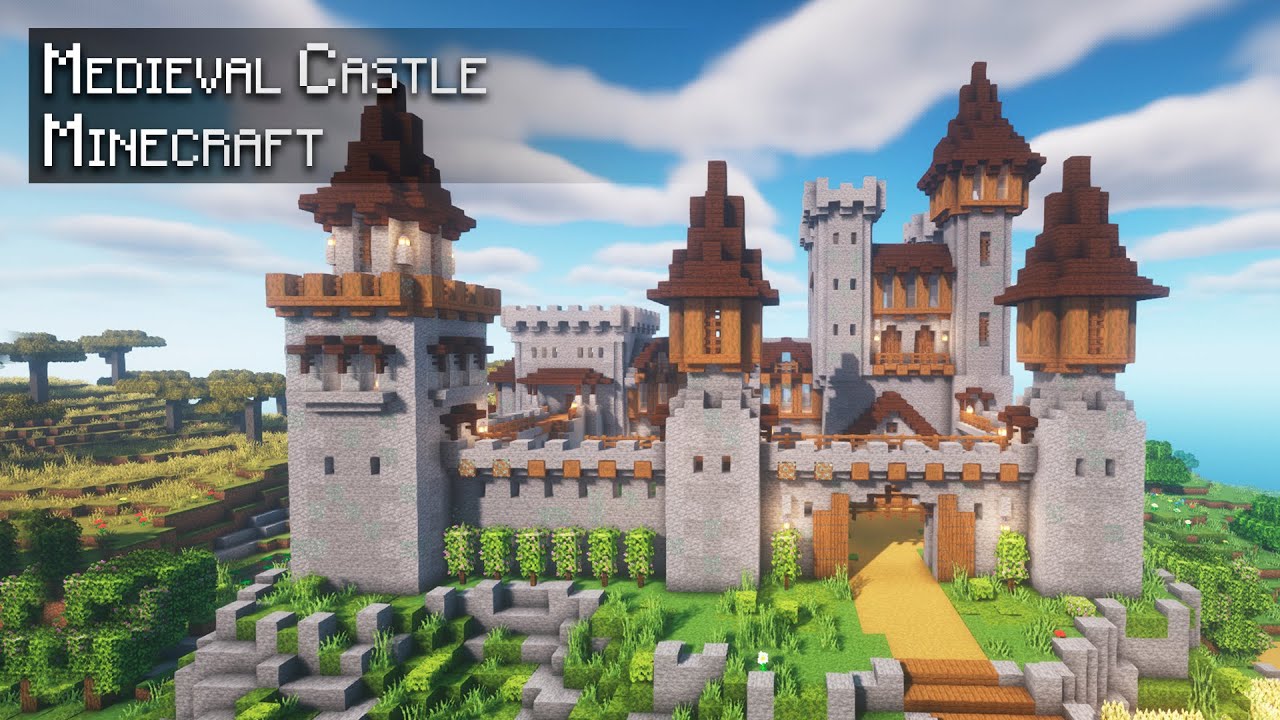
Minecraft is more than just a game—it’s a platform where history, architecture, and art come together through player creativity. From real-world landmarks to artistic movements, the game reflects cultural influences that shape how players build and explore.
The Influence Of Historical Architecture
Many of Minecraft’s naturally generated structures and player creations mirror designs from different historical periods. The game’s block-based system makes it easy to replicate famous landmarks while giving builders the freedom to adapt styles to fit their vision.
Medieval Castles And Fortresses
Castles in Minecraft often feature high stone walls, towers, and defensive layouts similar to real medieval strongholds. The use of moats, drawbridges, and secret tunnels reflects historical methods of fortification.
Egyptian And Mesopotamian Designs
Pyramids, temples, and vast desert structures in Minecraft resemble ancient wonders from civilizations like Egypt and Mesopotamia. Large sandstone builds and intricate maze-like interiors pay homage to historical architecture.
Classical Greek And Roman Influence
Grand columns, symmetrical layouts, and open courtyards found in Greek and Roman architecture appear in Minecraft creations. Temples inspired by the Parthenon and amphitheaters modeled after Colosseums showcase classical design elements.
Asian Architectural Styles
Pagodas and traditional wooden houses in Minecraft take inspiration from Chinese, Japanese, and Korean architecture. Multi-tiered roofs and decorative gardens reflect the elegance of real-world temples and tea houses.
Artistic Styles Reflected In Minecraft
Beyond buildings, Minecraft’s design draws influence from artistic movements that shape how textures, colors, and compositions appear in the game.
Pixel Art And Simplistic Design
Minecraft’s blocky visuals closely resemble pixel art, a digital art style that uses small square pixels to form images. Players create large-scale pixel artworks using wool blocks or maps to display characters, symbols, and landscapes.
Abstract And Cubist Creations
Since Minecraft relies on geometric shapes, players often design builds inspired by Cubism, an art movement that emphasizes fragmented and angular forms. Some structures feature intentionally distorted perspectives, making them resemble abstract paintings.
Surrealism And Fantasy Worlds
Minecraft’s fantasy-inspired landscapes—floating islands, giant mushroom forests, and impossible geometry—reflect Surrealist art. These worlds take inspiration from dreamlike compositions and exaggerated features seen in the works of artists like Salvador Dalí.
Cultural And Historical Preservation In Minecraft
Minecraft is not only a place for artistic expression but also a tool for cultural preservation. Players and organizations use the game to reconstruct historical sites, educate others on world heritage, and showcase diverse architectural styles.
Recreating Famous Landmarks
Many Minecraft players have built detailed replicas of famous landmarks, including:
- The Eiffel Tower
- The Great Wall of China
- Machu Picchu
- The Taj Mahal
These builds serve as virtual tributes to history, allowing people to explore these structures inside the game.
Minecraft In Museums And Education
Educational institutions use Minecraft to teach history and art by allowing students to interact with historical settings in a virtual space. Some museums even host digital exhibits in Minecraft, where visitors can learn about different civilizations through exploration.
Cultural Storytelling Through Building
Beyond landmarks, players also construct villages, monuments, and themed cities inspired by their own traditions and experiences. This allows them to share their culture creatively while engaging with a global community.
Minecraft is more than just a sandbox—it’s a living archive of historical and artistic creativity. Through architecture, visual design, and cultural storytelling, players continue to bring history and art to life in ways that are both educational and inspiring.
What historical or artistic projects have you built in Minecraft?
Minecraft Movie Trends: How The Film Is Shaping Pop Culture

“From viral songs to chaotic screenings, the Minecraft movie is making waves in the gaming world.”
The Rise Of Minecraft In Film
Minecraft is one of the most influential games of all time, but now it’s stepping into a new space—Hollywood. The upcoming Minecraft movie has sparked a wave of excitement, memes, and discussions about how gaming adaptations are evolving.
Fans are already reacting to trailers, speculating about the plot, and creating content inspired by the film. With the success of recent video game adaptations like Sonic the Hedgehog and The Super Mario Bros. Movie, expectations for Minecraft’s film adaptation are high.
Casting And Creative Direction
One of the most exciting aspects of the film is its star-studded cast and creative team.
- Directed by Jared Hess – Best known for Napoleon Dynamite, his quirky storytelling style could bring a unique charm to the movie.
- Starring Jack Black – After his iconic role as Bowser, Black returns to gaming movies, likely bringing humor and energy to the film.
- Other Possible Cast Members – While details are limited, fans speculate big-name actors could join the project.
This combination suggests the film will lean toward comedy and adventure, making it fun for both longtime Minecraft players and casual audiences.
Jack Black’s “Lava Chicken” Song: A Viral Moment
One of the standout moments so far is Jack Black’s “Lava Chicken”, a song featured in the movie’s promotional campaign. With its catchy lyrics and absurdly fun energy, the song quickly became a meme, spreading across social media and even reaching Minecraft communities that normally don’t engage with movie news.
Similar to Black’s success with Peaches in The Super Mario Bros. Movie, Lava Chicken has cemented itself as part of the cultural conversation, proving how strong a connection Minecraft has with its audience.
Fan Reactions And Chaotic Theater Moments
As hype builds for the movie, fans have taken things to another level. Some early screenings have reportedly led to wild audience experiences, including:
- Fans throwing food during action scenes.
- Moviegoers dressing as Minecraft mobs.
- Some reports of actual chickens being brought into screenings as an homage to the Lava Chicken meme.
While some of this might be exaggerated online, it speaks to Minecraft’s passionate fanbase and how video game movies are becoming real-world events.
Comparisons To Other Video Game Movies
The Minecraft movie is entering a growing list of successful gaming adaptations, including:
- The Super Mario Bros. Movie – A massive box office hit, proving that animated video game films can succeed.
- Sonic The Hedgehog – Another fan-favorite, blending humor and action with strong character performances.
- Five Nights At Freddy’s – A darker, horror-inspired adaptation that appealed to loyal fans.
Minecraft’s open-ended nature means its adaptation could take a unique approach, unlike traditional story-driven games.
Potential Impact On Minecraft’s Future
Beyond the viral trends, the Minecraft movie could influence the game itself.
- New in-game content – Mojang could add movie-related skins, locations, or mini-games.
- Expanded storytelling – The movie’s success might encourage deeper lore or in-game story-driven experiences.
- Merchandise and collaborations – More partnerships with brands, leading to themed collectibles or limited-edition items.
The film could open the door for Minecraft to expand further into multimedia, reaching audiences beyond gaming.
The Minecraft movie isn’t just another game adaptation—it’s a major cultural moment, blending nostalgia, creativity, and community excitement. Whether it becomes a box office hit or simply a meme-factory, its impact on gaming and entertainment will be felt for years.
Are you excited for the Minecraft movie?
Minecraft And Ai: How Artificial Intelligence Is Shaping The Future Of The Game
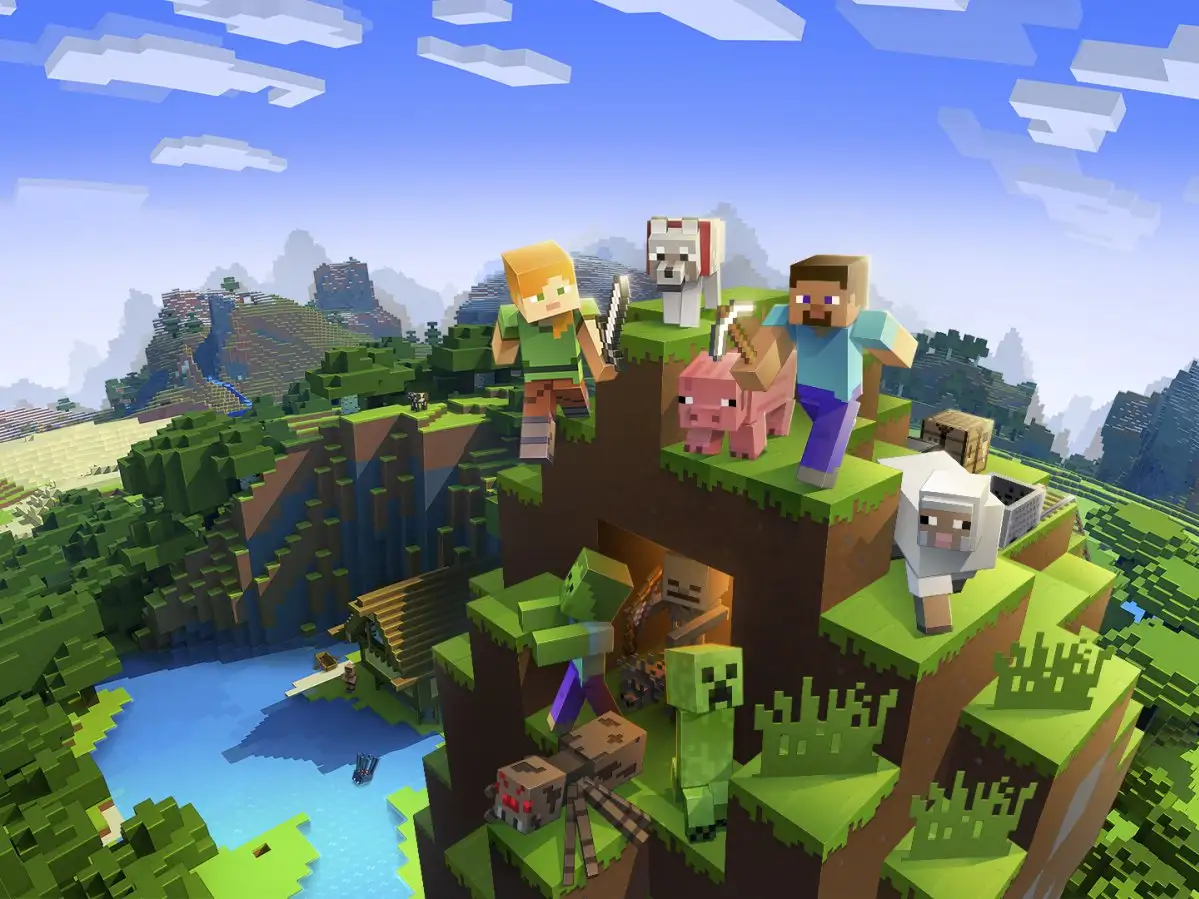
“From smarter NPCs to AI-generated landscapes, Minecraft is evolving with artificial intelligence in ways we never imagined.”
The Role Of AI In Minecraft’s Evolution
Minecraft has always relied on procedural generation to create its vast, unique worlds. But with advancements in AI, the game is beginning to explore smarter world-building, dynamic NPC interactions, and automated systems that could change how players experience the game.
AI-driven mechanics aren’t just theoretical—Mojang has already experimented with algorithms that enhance map generation and mob behaviors. So where is AI taking Minecraft next?
AI-Driven Map Generation: Smarter, More Dynamic Worlds
Minecraft worlds are already procedurally generated, but AI could push this further by creating more immersive environments with adaptive terrain and realistic ecosystems.
Some possibilities include:
- Biome evolution – AI could allow biomes to shift and adapt based on climate, player activity, or natural changes.
- Smarter cave formations – AI-generated caves could have more realistic structures, better ore distributions, and unique underground ecosystems.
- AI-assisted structure placement – Villages, temples, and strongholds could appear in more logical locations, influenced by terrain and nearby resources.
These improvements would make Minecraft’s world feel more alive and unpredictable.
AI-Powered NPCs: More Realistic Interactions And Storytelling
Villagers and mobs could become more intelligent, reacting dynamically to player choices and creating organic gameplay experiences.
- Adaptive villager behavior – AI could give villagers unique personalities, leading to emergent storytelling.
- Smart enemy AI – Hostile mobs could strategically hunt, dodge attacks, or collaborate to take down threats.
- AI-generated quests – Players could receive custom quests based on world conditions or their actions.
This kind of intelligence could turn Minecraft into a more immersive roleplaying experience.
AI In Redstone Automation And Building Tools
AI could also play a role in simplifying complex building and automation.
- AI-assisted redstone engineering – Smart systems could help players optimize redstone contraptions or suggest improvements.
- Blueprint-based building AI – Players could input a design, and AI could auto-generate structures to match specifications.
- AI-driven farming and crafting – Automated systems could analyze supply and demand, improving player-built farms.
These tools would make advanced mechanics more accessible, even for casual players.
The Future Of AI In Minecraft: What’s Next?
AI will likely continue shaping Minecraft’s evolution, especially in modding, gameplay mechanics, and interactive storytelling.
Possible advancements could include:
- AI-generated dungeons and quests that evolve based on player progression.
- Dynamic weather patterns influenced by biome interactions.
- AI-driven companion mobs that learn and adapt based on how players interact with them.
As AI technology improves, Minecraft could become an even richer sandbox, offering customized, player-driven experiences unlike anything we’ve seen before.
Would you play in an AI-driven Minecraft world?
Minecraft Mods and Custom Content: How Players Are Expanding the Blocky Universe
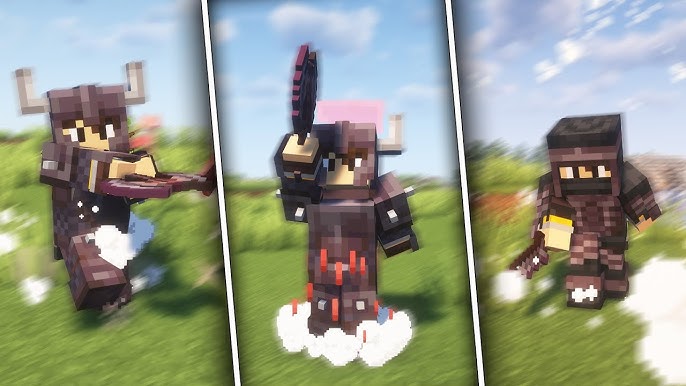
“From ultra-realistic shaders to massive gameplay overhauls, Minecraft’s modding community is redefining the game every day.”
Why mods and custom content matter
Minecraft’s core gameplay has remained strong for years, but mods and custom content take things to the next level. Whether it’s new survival mechanics, advanced graphics upgrades, or entirely new dimensions, the modding community has kept Minecraft fresh and evolving.
With thousands of mods available, players have endless opportunities to customize their experience beyond Mojang’s official updates.
Game-changing mods that transform Minecraft
Minecraft mods range from simple tweaks to total gameplay overhauls. Some of the most impactful mods right now include:
- OptiFine – Boosts performance and adds dynamic lighting, shaders, and HD textures.
- Biomes O’ Plenty – Expands Minecraft’s world generation with dozens of unique biomes.
- Create Mod – Introduces mechanical engineering elements like gears, pulleys, and automated machines.
- RL Craft – Turns Minecraft into a brutal, hyper-realistic survival experience.
- Thaumcraft – Adds magic systems, alchemy, and spell-casting mechanics.
- Better End – Enhances the End dimension with new structures, mobs, and biomes.
These mods showcase how far Minecraft can be pushed beyond its original design.
Custom content: texture packs, shaders, and player-created worlds
Mods aren’t the only way players modify Minecraft—texture packs, shaders, and custom-built worlds dramatically change the look and feel of the game.
- Realistic shaders – Mods like SEUS and BSL bring cinematic lighting, shadows, and realistic reflections.
- Themed texture packs – Players create retro, futuristic, or fantasy-themed textures for unique visual styles.
- Adventure maps – Custom-built worlds offer story-driven experiences, ranging from puzzle games to horror maps.
Minecraft’s community-driven content makes every playthrough feel fresh and unique.
Modded Minecraft servers: expanding multiplayer possibilities
Modded servers allow players to experience enhanced multiplayer gameplay, bringing unique mechanics and features not found in vanilla Minecraft.
- Pixelmon servers – Combines Minecraft with Pokémon for a monster-catching survival experience.
- SkyFactory – A skyblock challenge packed with automation and resource management.
- Modded SMPs – Survival multiplayer servers with magic, tech, and RPG-style progression.
These servers push creativity further, offering experiences that feel like entirely different games.
How mods influence official Minecraft updates
Many vanilla Minecraft features originated from popular mods before Mojang officially introduced them.
- Horse riding and breeding were inspired by the Mo’ Creatures mod.
- New Nether biomes took ideas from mods like Better Nether.
- Villager trading and raids were influenced by RPG-style modifications.
- Shulker boxes and bundles resemble backpack mods from early versions.
The modding community often sets the stage for Minecraft’s future, shaping what players want in upcoming updates.
The power of community mods
Minecraft thrives because of its passionate player base, and mods are proof that community creativity drives the game’s evolution. Whether players want hardcore survival, new dimensions, or cinematic visuals, mods ensure that Minecraft never stops growing.
What’s your favorite Minecraft mod?
Esports and Competitive Minecraft: How Blocky Battles Are Taking Over Gaming
“Minecraft isn’t just about survival and building anymore—it’s a full-fledged esport with high-stakes tournaments and intense PvP action.”
The Rise of Competitive Minecraft
What started as a sandbox for creativity has transformed into a serious competitive landscape. Minecraft now has thriving PvP arenas, speedrunning leagues, and large-scale esports tournaments, proving that the game can be just as strategic and skill-based as traditional esports titles.
From duels in Hypixel to multiplayer battle royales, competitive Minecraft demands quick reflexes, precise movement, and deep game knowledge.
The Biggest Minecraft Esports Tournaments
Minecraft’s competitive scene has exploded, with events drawing thousands of viewers and top-tier players.
- Minecraft Championship (MCC) – One of the most popular events, featuring teams of content creators battling in various mini-games.
- MC Championship Rising – A community-driven tournament highlighting up-and-coming players.
- Hypixel Tournaments – PvP-based events where skilled players compete in fast-paced duels and survival games.
- Speedrunning Competitions – Players challenge each other to beat the game in record time, often using advanced techniques like RNG manipulation.
These events prove that Minecraft has endless competitive potential.
PvP Strategy: How Competitive Players Dominate Battles
Unlike casual gameplay, competitive Minecraft requires precision, strategy, and quick decision-making.
- W-tapping and strafing – Movement techniques that maximize damage while avoiding hits.
- Critical hits – Timing jumps and attacks perfectly to deal extra damage.
- Projectile mastery – Using bows, crossbows, and throwable items for long-range engagements.
- Shield play and blocking – Knowing when to shield or counterattack can determine the outcome of duels.
- Quick inventory management – The best players hotkey everything for instant access to essential items.
Mastering these mechanics is key to ranking among the top players in PvP competitions.
Speedrunning: The Fastest Players in Minecraft
Minecraft speedrunning has become one of the game’s most exciting competitive formats. Players aim to complete the game in the shortest possible time, often using glitches, RNG strategies, and pixel-perfect execution.
Some categories include:
- Any% speedrun – Beat the game as fast as possible, using any available strategies.
- Set seed speedrun – Players race on a predetermined world seed for optimal conditions.
- Glitchless speedrun – Completing the game without bugs or exploits, relying purely on skill.
Speedrunning requires deep knowledge of game mechanics, perfect execution, and adaptability to unpredictable RNG factors.
The Role of Minecraft Servers in Competitive Play
Many esports events rely on custom multiplayer servers that specialize in competitive modes. Some of the most influential servers include:
- Hypixel – Home to ranked duels, BedWars, and SkyWars.
- PvP Legacy – A pure dueling server where players refine their combat mechanics.
- MCC Practice Server – Used by professional competitors preparing for major events.
- Cubecraft & Mineplex – Hosts casual and competitive mini-games that sharpen skills.
The server ecosystem allows players to practice, compete, and refine their techniques before entering major tournaments.
How Esports is Changing Minecraft’s Future
Minecraft esports is still growing, but its impact on gaming is undeniable. The competitive scene has attracted sponsors, prize pools, and professional players, proving that Minecraft isn’t just a sandbox game—it’s a skill-based esport.
As more structured leagues and tournaments emerge, Minecraft esports could rival some of the biggest games in the industry.
Would you ever compete in a Minecraft tournament?
Minecraft in Education: How Blocks Are Building the Future of Learning
“From history lessons to coding challenges, Minecraft isn’t just a game—it’s transforming education.”
Why Educators Are Using Minecraft in Classrooms
Minecraft isn’t just about survival and crafting—it’s also a powerful learning tool. With interactive gameplay and endless creative possibilities, the game helps students develop problem-solving skills, teamwork, and even technical abilities like coding.
Educators worldwide are integrating Minecraft into their lesson plans, proving that gaming can be both fun and educational.
How Minecraft Teaches STEM Concepts
One of the biggest areas where Minecraft shines is STEM education, covering science, technology, engineering, and math.
- Coding with Minecraft Education Edition – Students can learn basic coding principles using block-based programming in the game. Platforms like Python, JavaScript, and MakeCode allow kids to program their own Minecraft worlds.
- Engineering and Architecture – From replicating historical structures to designing futuristic cities, Minecraft challenges students to think critically about construction and design.
- Mathematical Thinking – The game teaches geometry, spatial reasoning, and logic through tasks like redstone circuits and structural planning.
Minecraft for History and Cultural Education
Beyond STEM, Minecraft is also being used to teach history and social studies.
- Recreating Historical Landmarks – Students can explore digital replicas of places like the Great Wall of China, the Colosseum, and ancient Egyptian pyramids.
- Building Civilizations – Some lessons involve creating medieval towns, historical battlefields, or ancient cities, offering an immersive way to experience history.
- Cultural Awareness – Minecraft allows students to experience different cultures by participating in projects where they build environments from various time periods and regions.
Teamwork, Problem-Solving, and Creativity
Minecraft encourages collaborative learning, where students work in teams to solve problems, build projects, and complete challenges together.
- Escape room challenges – Teachers set up puzzle-based escape rooms that require teamwork and critical thinking.
- Survival-based learning – Some educators use Minecraft’s survival mode to teach resource management, strategy, and decision-making.
- Creative writing – Students craft their own in-game stories, creating worlds that blend narrative with exploration.
Environmental and Ecological Education
Minecraft also introduces kids to environmental science concepts in an engaging way.
- Building sustainable cities – Lessons challenge students to design eco-friendly towns using sustainable building materials.
- Ecosystem simulations – Minecraft worlds can demonstrate deforestation, wildlife conservation, and climate change impacts.
- Renewable energy experiments – Using redstone mechanics, students can simulate solar panels, wind turbines, and hydroelectric power within the game.
How Schools Are Implementing Minecraft-Based Learning
Many schools are already using Minecraft as an official learning platform, thanks to initiatives like Minecraft: Education Edition.
- Structured lesson plans – The game comes with pre-designed lessons covering topics like math, science, and history.
- Global learning projects – Students collaborate with peers worldwide on shared Minecraft builds, encouraging international teamwork.
- Gamified assessments – Some educators replace traditional tests with Minecraft-based challenges, making assessments more engaging and interactive.
Gaming as the Future of Education
Minecraft has proven that video games can be powerful teaching tools. With its ability to foster creativity, teamwork, and problem-solving, it’s no surprise that educators are turning to Minecraft as a game-changer in modern education.
As technology continues to shape learning, we might see deeper integration of Minecraft into virtual classrooms, AI-assisted learning, and gamified lesson plans.
Would you want to learn in a Minecraft-based classroom?
Minecraft Collaborations: How the Blocky World is Taking Over Pop Culture
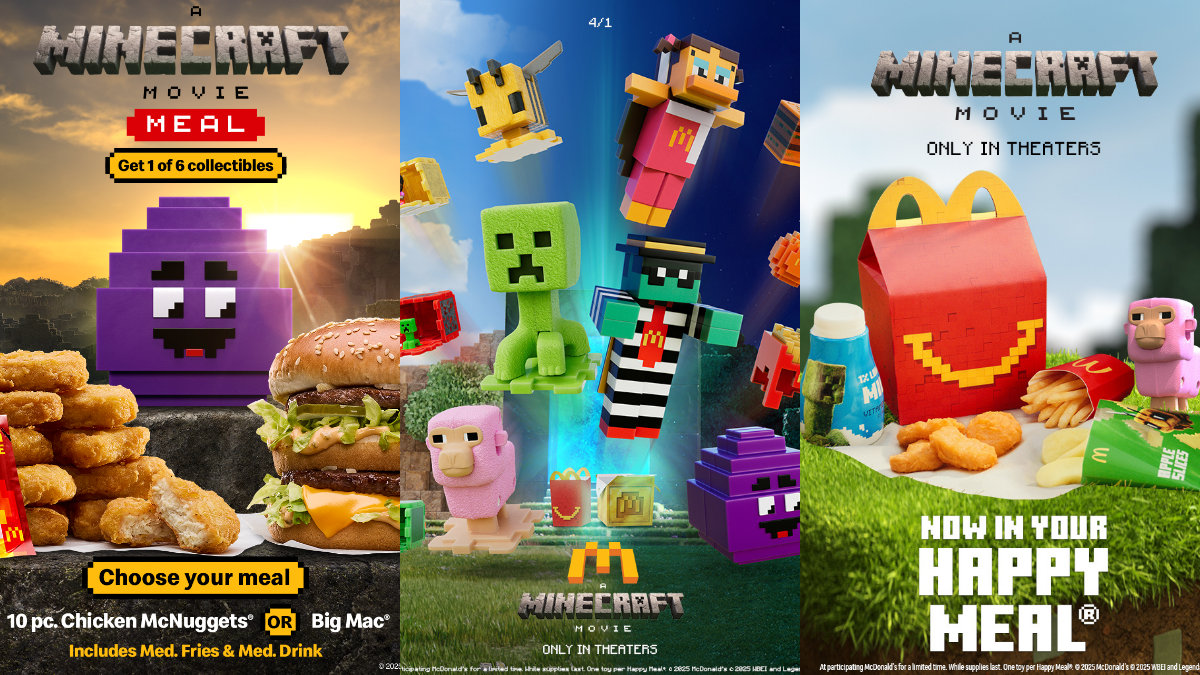
“From sneaker collabs to unexpected TV crossovers, Minecraft isn’t just a game anymore—it’s a cultural phenomenon.”
Why Minecraft Collaborations Matter
Minecraft has gone beyond being a sandbox game—it’s now a global brand. Whether it’s working with major franchises, fashion labels, or educational platforms, its partnerships shape how players interact with the game and the world around it.
So, what are the most surprising, creative, and game-changing collaborations happening right now? Let’s dig in.
1. Minecraft x LEGO: The Ultimate Building Duo
It’s a match made in blocky heaven. Minecraft’s partnership with LEGO continues to thrive, with new LEGO sets releasing regularly. These kits let fans bring their in-game creations into real life, bridging the gap between virtual and physical play.
Beyond the physical sets, this collaboration has influenced Minecraft itself, leading to themed updates and integrations that further connect the two brands.
2. Minecraft x Sonic: Speeding Through the Blocky World
In one of the more unexpected gaming crossovers, Minecraft teamed up with Sonic the Hedgehog for a special DLC pack. Players can race through blocky versions of iconic Sonic zones, complete with loop-de-loops and fast-paced challenges.
It’s a great example of how Minecraft adapts familiar gaming icons into its own universe while keeping them fresh and exciting.
3. Minecraft x Adidas: Sneakers, Style, and Street Culture
Fashion meets gaming with Minecraft’s Adidas collaboration, featuring limited-edition sneakers inspired by iconic in-game elements. The shoes incorporate pixelated designs, blending nostalgia with urban fashion.
This crossover shows how gaming aesthetics are influencing real-world trends, proving Minecraft’s reach extends far beyond the digital space.
4. Minecraft x Dungeons & Dragons: A Roleplaying Dream
Bringing fantasy-style gameplay into the blocky world, Minecraft’s partnership with Dungeons & Dragons introduces dungeon exploration, mythical creatures, and roleplaying mechanics. Players can engage in classic RPG experiences within the sandbox, making it a perfect mix of adventure and creativity.
5. Minecraft x Netflix: TV Shows & Interactive Storytelling
Netflix has experimented with Minecraft-based storytelling, including the interactive “Minecraft: Story Mode” series, where viewers make choices that affect the storyline.
With gaming-inspired TV becoming more popular, it wouldn’t be surprising if Minecraft plays an even bigger role in entertainment going forward.
What’s Next for Minecraft Collaborations?
Minecraft’s partnerships aren’t slowing down, and future crossovers could push the game into new directions—from deeper fashion collaborations to full-fledged cinematic experiences.
As the boundaries between gaming, entertainment, and culture continue to blur, Minecraft remains a leader in innovative collaborations.
What crossover would you love to see next?