Historical And Artistic Inspirations In Minecraft
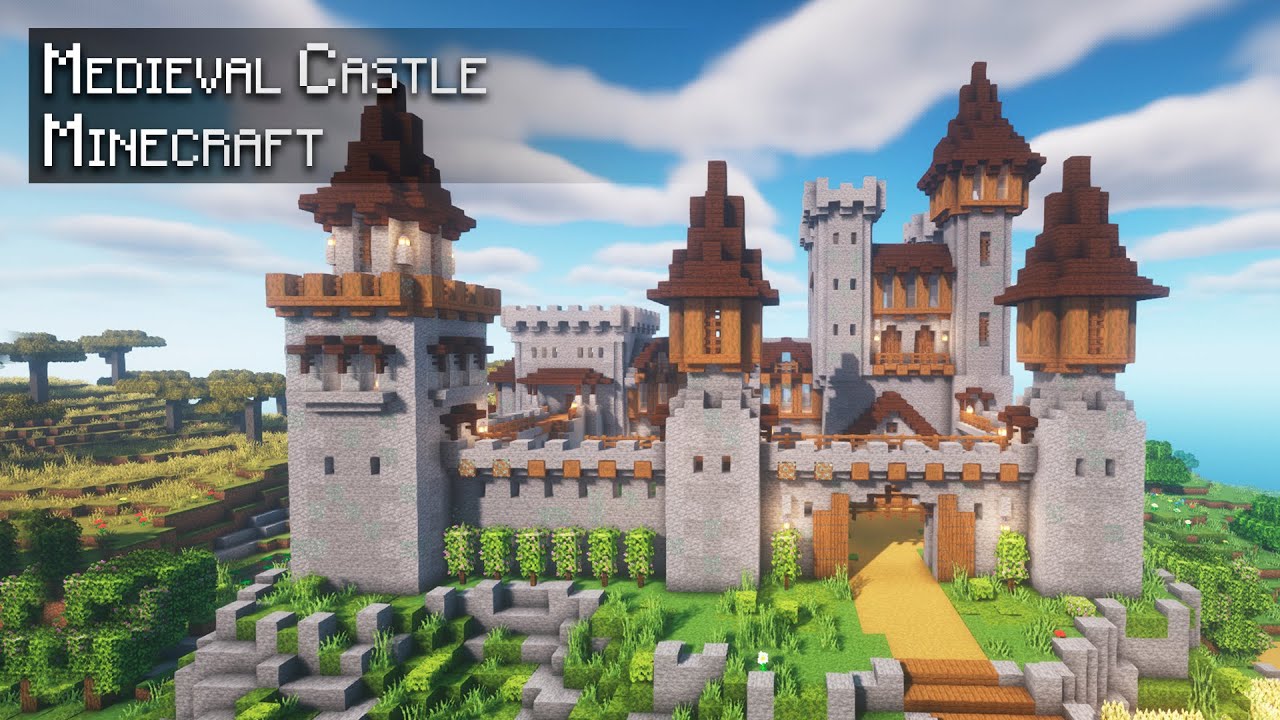
Minecraft is more than just a game—it’s a platform where history, architecture, and art come together through player creativity. From real-world landmarks to artistic movements, the game reflects cultural influences that shape how players build and explore.
The Influence Of Historical Architecture
Many of Minecraft’s naturally generated structures and player creations mirror designs from different historical periods. The game’s block-based system makes it easy to replicate famous landmarks while giving builders the freedom to adapt styles to fit their vision.
Medieval Castles And Fortresses
Castles in Minecraft often feature high stone walls, towers, and defensive layouts similar to real medieval strongholds. The use of moats, drawbridges, and secret tunnels reflects historical methods of fortification.
Egyptian And Mesopotamian Designs
Pyramids, temples, and vast desert structures in Minecraft resemble ancient wonders from civilizations like Egypt and Mesopotamia. Large sandstone builds and intricate maze-like interiors pay homage to historical architecture.
Classical Greek And Roman Influence
Grand columns, symmetrical layouts, and open courtyards found in Greek and Roman architecture appear in Minecraft creations. Temples inspired by the Parthenon and amphitheaters modeled after Colosseums showcase classical design elements.
Asian Architectural Styles
Pagodas and traditional wooden houses in Minecraft take inspiration from Chinese, Japanese, and Korean architecture. Multi-tiered roofs and decorative gardens reflect the elegance of real-world temples and tea houses.
Artistic Styles Reflected In Minecraft
Beyond buildings, Minecraft’s design draws influence from artistic movements that shape how textures, colors, and compositions appear in the game.
Pixel Art And Simplistic Design
Minecraft’s blocky visuals closely resemble pixel art, a digital art style that uses small square pixels to form images. Players create large-scale pixel artworks using wool blocks or maps to display characters, symbols, and landscapes.
Abstract And Cubist Creations
Since Minecraft relies on geometric shapes, players often design builds inspired by Cubism, an art movement that emphasizes fragmented and angular forms. Some structures feature intentionally distorted perspectives, making them resemble abstract paintings.
Surrealism And Fantasy Worlds
Minecraft’s fantasy-inspired landscapes—floating islands, giant mushroom forests, and impossible geometry—reflect Surrealist art. These worlds take inspiration from dreamlike compositions and exaggerated features seen in the works of artists like Salvador Dalí.
Cultural And Historical Preservation In Minecraft
Minecraft is not only a place for artistic expression but also a tool for cultural preservation. Players and organizations use the game to reconstruct historical sites, educate others on world heritage, and showcase diverse architectural styles.
Recreating Famous Landmarks
Many Minecraft players have built detailed replicas of famous landmarks, including:
- The Eiffel Tower
- The Great Wall of China
- Machu Picchu
- The Taj Mahal
These builds serve as virtual tributes to history, allowing people to explore these structures inside the game.
Minecraft In Museums And Education
Educational institutions use Minecraft to teach history and art by allowing students to interact with historical settings in a virtual space. Some museums even host digital exhibits in Minecraft, where visitors can learn about different civilizations through exploration.
Cultural Storytelling Through Building
Beyond landmarks, players also construct villages, monuments, and themed cities inspired by their own traditions and experiences. This allows them to share their culture creatively while engaging with a global community.
Minecraft is more than just a sandbox—it’s a living archive of historical and artistic creativity. Through architecture, visual design, and cultural storytelling, players continue to bring history and art to life in ways that are both educational and inspiring.
What historical or artistic projects have you built in Minecraft?
Leave a Reply