The Making of Minecraft: How a Side Project Became a Global Phenomenon
Markus Persson: The Developer Behind Minecraft
In 2009, Markus “Notch” Persson was just another programmer working a regular job. Based in Stockholm, Sweden, he spent his evenings coding passion projects—some finished, most abandoned. One of those projects would go on to change gaming forever. That project was Minecraft.

Minecraft wasn’t always Minecraft. It started as a project called “RubyDung,” a fantasy game where players managed heroes rather than directly controlling them. The idea didn’t work as planned, so Persson scrapped it. But while experimenting with textures and landscapes, he unknowingly laid the groundwork for something much bigger.
Inspiration from Infiniminer
In April 2009, Persson discovered “Infiniminer,” a multiplayer game where players mined blocks to compete against each other. The game had potential, but its open-source nature led to fragmentation, and its creator, Zachary Barth, abandoned it. Persson saw an opportunity. He took elements of Infiniminer and merged them with his own ideas, creating a prototype called “Cave Game.”
The Birth of Minecraft
Persson took his prototype to TIGSource, an indie game forum. Developers and players offered feedback, and someone suggested renaming it “Minecraft: Order of the Stone.” Persson later shortened it to just “Minecraft.” On May 17, 2009, he released the first playable version.
The Game Gains Traction
Early players were hooked. Despite its simplicity, Minecraft offered a unique experience. Players explored, built structures, and shared screenshots. Persson updated the game constantly, adding features based on community feedback. One major challenge was multiplayer functionality, but he eventually implemented it after several delays.
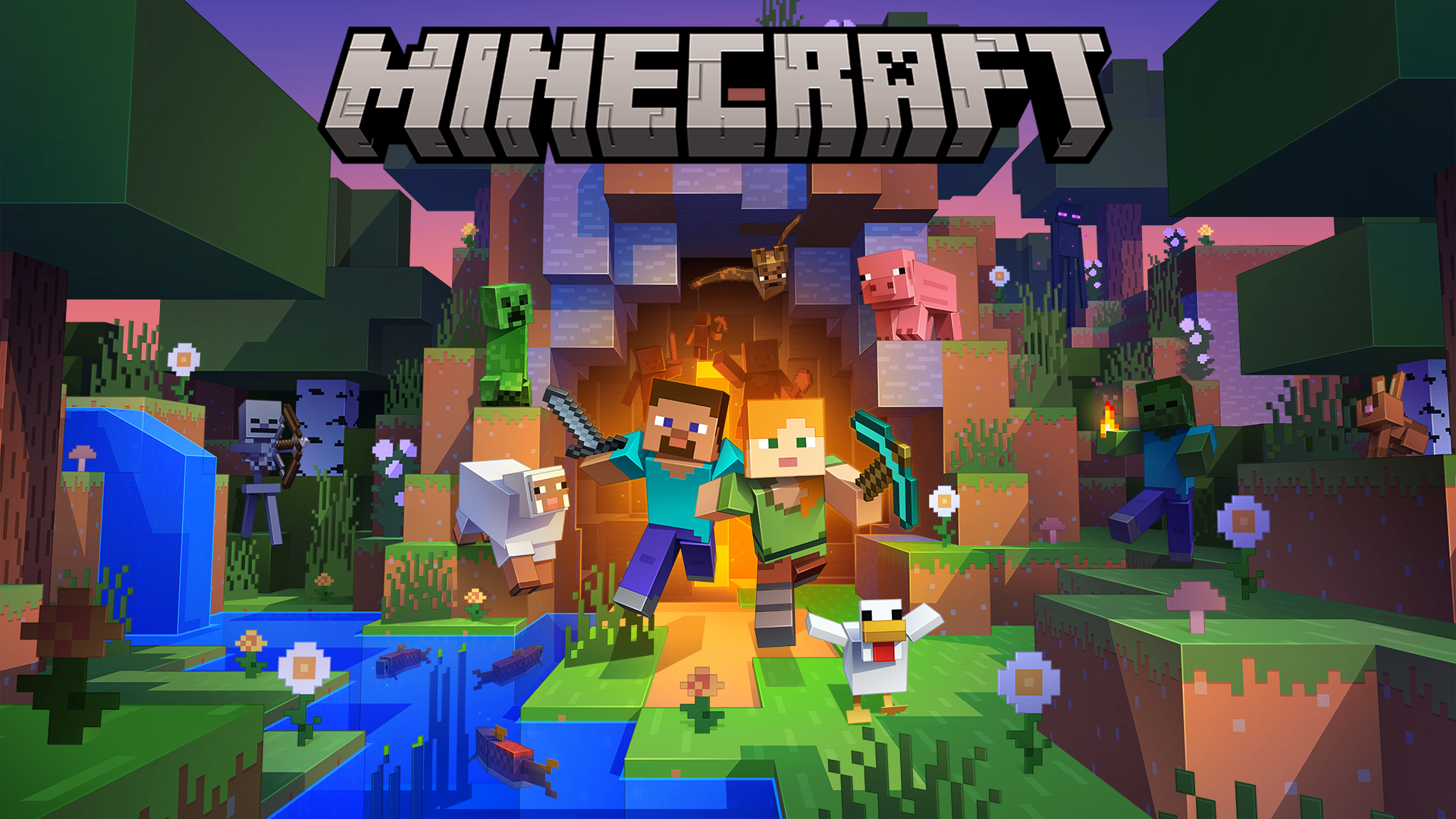
In the late 2000s, most indie games were free, making money through ads. Persson took a different route. He started charging for Minecraft, offering a discount to early adopters. Sales took off, so much so that PayPal temporarily froze his account due to suspicious activity.
The Formation of Mojang
By 2010, Minecraft’s success allowed Persson to quit his job and work on it full-time. He partnered with former colleagues Jakob Porser and Carl Manneh to form Mojang. With a team behind him, Minecraft continued to grow, attracting millions of players worldwide.
The Rise of MinecraftCon and Mainstream Success
In August 2010, Minecraft had over 700,000 sales. Persson visited Valve’s headquarters and was offered a job, but he turned it down to focus on Minecraft. During this trip, he met fans in what became the first MinecraftCon—a casual gathering that later evolved into the official MineCon.
In November 2011, Mojang hosted MineCon 2011, an organized event with over 4,500 attendees. This convention coincided with the official release of Minecraft, which had already sold millions of copies.
Selling Mojang to Microsoft
By 2014, Minecraft had become a cultural phenomenon. However, Persson was overwhelmed by the community’s demands and criticism. When Mojang cracked down on pay-to-win servers, backlash intensified. Frustrated, he tweeted, “Anyone want to buy my share of Mojang so I can move on with my life?”
This led to negotiations with major companies, including Microsoft, EA, and Activision. In September 2014, Microsoft acquired Mojang for $2.5 billion. As part of the deal, Persson, Manneh, and Porser left the company.
Minecraft remains the best-selling game of all time, with over 300 million copies sold. It has influenced countless developers and continues to be updated with new features. Despite stepping away, Persson’s impact on gaming is undeniable.
A Complicated Ending
After selling Mojang, Persson moved to Los Angeles and lived a billionaire lifestyle. However, in 2017, controversial tweets led to Microsoft publicly distancing itself from him. His name was removed from Minecraft, and he was not invited to the game’s 10th-anniversary celebration.
His legacy is complicated. He built something extraordinary but later tarnished his reputation. The takeaway? Creativity and passion can lead to incredible success, but how you handle that success matters just as much as achieving it.
Minecraft continues to thrive, proving that great ideas can live on, even beyond their creators.
Leave a Reply