23 Minecraft Changes That Shaped the Game
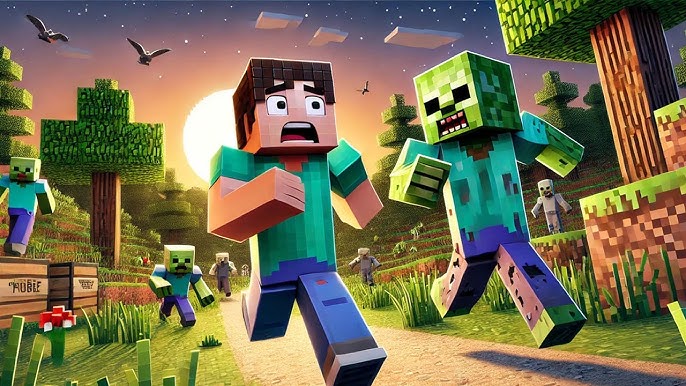
Minecraft has come a long way since its early days. From quirky designs to scrapped concepts, some changes have completely transformed the game. Let’s explore 23 redesigns that not only shaped Minecraft’s evolution but also revealed how much the game has grown over time.
Character and Mob Redesigns
- Wandering Trader’s Evolving Look
The wandering trader we know today, dressed in blue robes with llamas in tow, almost didn’t look this way. Early concept art showed a strange green bulb on its forehead, resembling something from a sci-fi movie. Later designs even gave it a jaunty fedora before settling on the now-iconic look. - Ravager’s Long Legs
Before the Ravager became the lumbering beast we know, it had an unsettling design featuring long, spider-like legs. Adding to its oddity, it was once afraid of rabbits! Thankfully, these early concepts were scrapped, and the Ravager became a much more fearsome creature. - The Bee’s Many Designs
Before settling on the current bee design, Mojang tested multiple versions, including one with a receding hairline and another that was barely visible due to its tiny size. The final design strikes a perfect balance between cute and practical. - Original Enderman Design
The Enderman’s early design was little more than a black humanoid shape with no facial features. Over time, it evolved into the eerie, purple-eyed figure we now associate with Minecraft’s scariest nights. - Guardians in Lava
Guardians and Elder Guardians were once immune to lava, making them even more formidable. This was later changed, though fire resistance potions can still give them an edge. - Shulker Color Testing
Shulkers were initially designed in bright purple to stand out but were later toned down to blend with their environments. This subtle color helps maintain their element of surprise.
Block and Item Changes
- Diamonds Were Once Emeralds
Originally, diamonds were called “emeralds” in the game’s code. This changed when Mojang introduced the green emeralds we know today. Imagine mining for blue emeralds instead of diamonds—doesn’t quite have the same ring, does it? - Stack Limits: From 100 to 64
In the game’s early stages, items could stack up to 100. This was later reduced to 64, a number that remains the standard today. While you can use commands to push stack limits to 99, the original 100-capacity feature is now a quirky piece of history. - Sulfur Instead of Gunpowder
Before “gunpowder,” the material was called “sulfur” in Minecraft. It could drop from any mob, not just Creepers. Considering how unpleasant sulfur smells, we’re glad Mojang rebranded it. - Golden Apple’s Joke Origins
The golden apple was added to the game as a joke on the Minecraft forums. Notch saw the recipe posted as a prank and decided to make it real. Now it’s one of the most coveted items in the game.
Crafting and Mechanics Adjustments
- Workbenches Became Crafting Tables
In early versions, crafting tables were called “workbenches.” The name change happened as Minecraft solidified its identity, making the term “crafting table” synonymous with the game itself. - Furnace Textures
Furnaces once had a stone texture on top, making them blend seamlessly with stone blocks. This hidden-storage aesthetic was eventually replaced with the familiar furnace design we know today. - Minecart Cargo
Minecarts were once envisioned to visually fill with items as they were loaded. While this feature didn’t make it into the final game, it inspired today’s chest and hopper minecarts. - Cactus Texture Bugs
Early cactus textures were glitchy, displaying six identical sides instead of distinct top and side textures. While this issue has been fixed, it’s a fun reminder of Minecraft’s rough beginnings. - Anvils Were Pricier
Crafting an anvil used to cost six iron blocks, making it far more expensive than today’s recipe of three blocks and four ingots. Consider yourself lucky! - Flint and Steel Smelting
Early Minecraft allowed players to use flint and steel to ignite items directly in furnaces. Lava could also be used for smelting. While these mechanics didn’t make it to the final version, they highlight how experimental Minecraft once was.
Gameplay Tweaks
- TNT Ignites on Punch
Punching TNT in early versions of Minecraft caused it to ignite immediately, with no way to stop it. This dangerous mechanic made mining with TNT a risky endeavor and was eventually changed to prevent accidental explosions. - Saddling Baby Pigs
At one point, players could saddle baby pigs and ride them, though this feature was deemed too silly and removed. Today, only adult pigs can be saddled. - Optimal Armor Sets
Diamond armor once reigned supreme, but modern players often mix and match pieces for functionality—like using a turtle shell helmet for water breathing or golden boots for Nether exploration. - Minecart Boosters
Before powered rails, players used “minecart boosters,” a contraption involving multiple carts that launched players at high speeds. These quirky mechanisms are now obsolete but remain a nostalgic memory for veteran players.
Enchantment and Storage Changes
- Shared Ender Chest Inventories
Early Ender Chests shared inventories across servers, making it easy for friends to steal items. This design was adjusted to the private storage system we use today. - Enchantment Tables in Creative
Enchantment tables in early creative mode required experience points to use, even though players couldn’t see their XP levels. This odd mechanic was later simplified, making enchanting in creative mode hassle-free.
Visual and Branding Updates
- Minecraft’s Logo Evolution
Early Minecraft logos had a RuneScape-like aesthetic with pickaxes and blocky fonts. These designs eventually gave way to the clean, Creeper-accented logo we see today.
Minecraft’s history is filled with fascinating changes, from quirky concepts to essential redesigns that shaped the game we love today. Each update and tweak has contributed to its enduring appeal, showing how Mojang’s creativity and player feedback have kept the game fresh and exciting. Whether it’s reminiscing about the old features or embracing new ones, these changes remind us why Minecraft continues to captivate millions around the world.
Leave a Reply